What to Expect During the Deck Construction Process
A new deck is more than an outdoor upgrade—it’s a functional extension of your living space and a long-term investment that enhances comfort, entertainment value, and home appeal. Yet for many homeowners, the thought of starting a deck construction project can feel overwhelming. What happens first? How long does it take? What decisions need to be made—and when? Understanding the deck construction process helps you prepare confidently, avoid surprises, and ensure the final product aligns with your expectations. With materials, building codes, and design trends continually evolving, knowing what to expect ensures your project stays on schedule and delivers the results you envision.
In today’s residential construction landscape, transparency and planning are essential. Homeowners want clear timelines, predictable communication, and professional guidance at every stage. The deck construction process is structured, highly intentional, and designed to protect your investment while ensuring craftsmanship and safety. Whether you’re building a simple platform deck or a multi-level outdoor living space, each phase—from design to final inspection—plays a crucial role. This blog breaks down every step in detail, offering practical insights, real-world examples, and professional reasoning to help you approach your project with clarity and confidence.
1. Initial Consultation and Planning
Understanding Your Vision
The deck construction process begins with a detailed consultation to understand your goals, preferred features, and lifestyle needs. Whether you desire a grilling area, integrated seating, or a family-friendly entertainment zone, this discussion helps define the project’s direction. The clearer your vision, the easier it is for the contractor to translate ideas into a feasible design.
Evaluating Site Conditions
A professional assessment of your property is essential. Builders examine slope, soil condition, drainage patterns, sun exposure, and proximity to other structures. These variables determine foundational support, necessary reinforcements, and potential layout limitations. For instance, a yard with uneven terrain may require additional grading or specialized footings to maintain safety and stability.
Budgeting and Material Selection
Planning also includes budget considerations and material exploration. Homeowners typically choose between pressure-treated lumber, cedar, composite decking, or PVC, each with different long-term benefits. This early stage helps establish realistic expectations, aligning design ideas with cost and maintenance requirements.
2. Designing the Deck and Securing Permits
Creating the Design Plan
Once the initial concept is agreed upon, contractors create a detailed design blueprint. This includes structural layout, railing styles, stair placement, board patterns, and optional features such as lighting or pergolas. Advanced 3D modeling tools may allow homeowners to visualize the finished deck before construction begins. These design assets allow you to refine the layout and ensure every detail complements your home’s architecture.
Compliance With Local Building Codes
Decks must meet strict safety standards. Contractors prepare structural drawings to comply with load requirements, railing heights, joist spacing, and foundation depth regulations. Proper documentation reduces delays and prevents costly remodeling due to code violations.
Permit Application and Approval
Securing the necessary permits is one of the most critical steps. The approval timeline varies by region but generally ranges from several days to a few weeks. During this period, inspectors may review engineering details to confirm compliance. A reputable contractor handles this process entirely, keeping you updated until approval is granted.
3. Site Preparation and Footings
Preparing the Work Area
Before construction begins, the site is cleared of vegetation, old structures, debris, or existing decks. Contractors mark the layout using stakes and string lines to outline exact dimensions. Proper preparation avoids unnecessary disruptions during the build and ensures an accurate foundation.
Digging and Setting Footings
Footings are the structural base of your deck, and they must be strong enough to support long-term load-bearing conditions. Depending on your region’s building codes, footings may need to be dug to a frost line depth or reinforced with concrete and rebar. In areas with softer soil, larger or deeper footings help maintain stability.
Inspection Before Framing
Most municipalities require a footing inspection before the frame can be built. This ensures the foundation meets safety standards. Once approved, the project moves forward without risk of future structural issues.
4. Framing and Structural Construction
Building the Framework
Framing is the backbone of the deck. Contractors construct beams, joists, and support posts according to engineering specifications. This phase requires precise measurements to ensure level surfaces, proper load distribution, and long-term durability. High-quality framing significantly impacts how well the deck holds up over the years.
Installing Supports and Hardware
Structural integrity depends heavily on the right hardware, including joist hangers, ledger bolts, post anchors, and corrosion-resistant fasteners. Improper or low-quality hardware leads to premature aging or instability. Professional teams use approved materials that comply with regional safety standards.
Addressing Challenges
Occasionally, unexpected challenges arise—roots, underground utilities, or soil inconsistencies. Experienced contractors adjust the structural plan while maintaining compliance and safety. A common scenario involves rerouting a deck around an existing utility line or expanding footing depth to accommodate softer ground.
5. Decking, Railings, and Custom Features
Installing Deck Boards
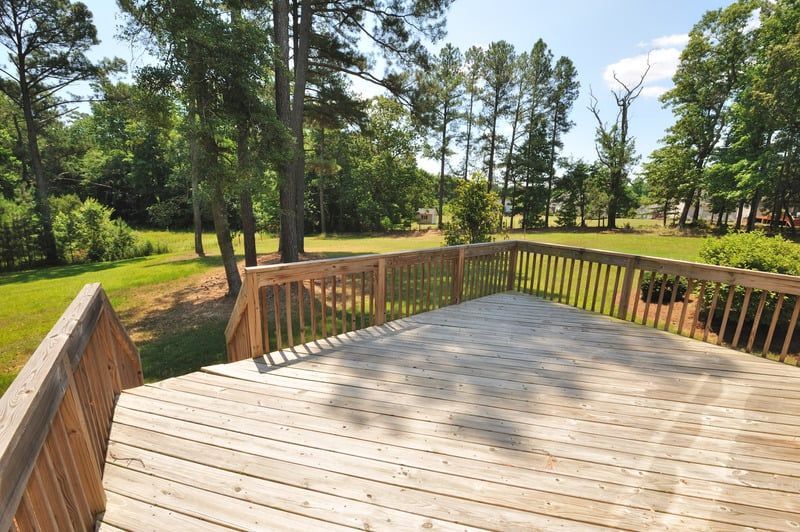
Once the frame is complete, builders begin installing decking boards. Patterns such as diagonal layouts, picture-frame borders, or herringbone designs add visual appeal. The installation process requires consistent spacing to allow ventilation, prevent water pooling, and avoid board warping.
Railing and Stair Construction
Railings are both functional and aesthetic elements. Options include wood, aluminum, cable systems, glass panels, or composite railing kits. Each system requires specific installation techniques. Stairs are built with accurate rise-and-run measurements to meet safety requirements and provide comfortable access.
Optional Enhancements
Modern decks often incorporate additional features to enhance usability:
- Lighting: LED post lights, stair lighting, or under-rail illumination for safety and ambiance.
- Built-in Seating: Benches or storage units that maximize space.
- Privacy Screens: Ideal for homes in close proximity to neighbors.
- Pergolas or Shade Structures: Adds architectural interest and sun protection.
These enhancements transform a basic deck into a personalized outdoor living area.
6. Final Inspection, Cleanup, and Walkthrough
Quality and Compliance Inspection
Before the project is completed, a final inspection is conducted by local building authorities. Inspectors verify proper railing height, structural connections, stair safety, electrical installations, and material quality. Passing this inspection ensures your deck meets legal and safety standards.
Project Cleanup
A professional contractor cleans the worksite thoroughly—removing debris, excess materials, and construction waste. The area is restored so you can immediately begin enjoying your new outdoor space.
Homeowner Walkthrough
The final walkthrough allows you to examine the deck and ensure it aligns with expectations. Contractors explain maintenance requirements, recommended cleaning schedules, and how to protect the deck through seasonal changes. This is also the time to address last-minute adjustments or confirm that all features were installed correctly.
Understanding Long-Term Care
Every deck material requires basic upkeep. Composite and PVC decking need periodic washing, while wood materials may require staining or sealing. Understanding these maintenance routines ensures longevity and preserves the deck’s appearance.
7. Weather Considerations and Seasonal Planning
Timing Your Project
The season you choose for construction affects how quickly materials settle and cure. Planning around milder weather ensures footings dry properly and reduces delays caused by rain or extreme heat.
Protecting Materials from Weather
Decking boards, posts, and hardware can warp or degrade if exposed to moisture or sun. Proper storage and protective coverings during construction help maintain material quality and longevity.
Real-World Example
Homeowners building in early spring often face wet soil that can delay footings. Adjusting schedules and protecting materials prevents costly setbacks and ensures a smooth build.
8. Maintenance Planning and Longevity Tips
Material-Specific Care
Different deck materials require tailored maintenance. Wood may need staining or sealing, while composite and PVC benefit from regular cleaning to prevent mold and fading.
Routine Inspection Practices
Regularly check railings, fasteners, joists, and stairs for signs of wear or loosening. Early detection of issues ensures safety and reduces long-term repair costs.
Benefits of Preventative Maintenance
Proper care extends the life of your deck, preserves its aesthetic appeal, and avoids expensive replacements. Routine upkeep keeps your deck functional and attractive for years.
Building a deck is a detailed, multi-phase process that blends design, engineering, craftsmanship, and compliance. Understanding each stage—from consultation and permitting to framing, decking, and final inspection—helps you prepare for timelines, make informed decisions, and confidently partner with your contractor. A well-constructed deck doesn’t just add beauty; it increases functionality, enhances property value, and creates an outdoor living space designed for years of enjoyment. By knowing what to expect, homeowners can approach the construction process with clarity and trust, ensuring a smooth experience and a durable final result.
Important Reminders for Homeowners During Deck Installation
For homeowners seeking expert craftsmanship, clear communication, and long-lasting results, Creative Design of NC
stands as a trusted leader in
deck construction
and outdoor living solutions. Based in Apex, NC, the company brings 28
years of industry experience to every project, combining technical knowledge with an unwavering commitment to customer satisfaction. Their team understands the importance of building structures that balance safety, durability, and aesthetics, ensuring each deck aligns with the homeowner’s lifestyle and property conditions. From the initial design consultation to the final walkthrough, we prioritize precision, transparency, and professional guidance at every step. Their decades of experience allow them to navigate building codes, environmental factors, and material options with confidence, helping clients avoid complications and achieve results that exceed expectations. With a strong reputation for reliability and craftsmanship, Creative Design of NC
provides homeowners with the assurance that their investment is protected and their outdoor space will be enjoyed for many years to come.