How a Custom Deck Design Can Increase Your Home’s Value and Curb Appeal
Enhancing a home's value and visual appeal has become a central focus for homeowners seeking both enjoyment and investment potential. Among various home improvement projects, installing a custom deck stands out as one of the most effective ways to achieve these objectives. A well-designed deck not only extends functional living space but also enhances the aesthetic appeal of your property, making it more attractive to prospective buyers. With trends in outdoor living evolving rapidly, a thoughtfully crafted deck can transform a backyard into a versatile environment for relaxation, entertainment, and family gatherings, ultimately boosting overall property value.
Beyond aesthetics, custom decks reflect personal style while integrating practical considerations such as durability, maintenance, and material selection. Homeowners increasingly recognize the importance of aligning deck design with architectural style and landscape, creating a cohesive appearance that elevates curb appeal. Whether incorporating natural wood finishes, composite materials, or innovative features like built-in seating and lighting, a custom deck offers tangible and intangible benefits. From financial investment to lifestyle enhancement, understanding the impact of professional deck design is crucial for homeowners aiming to maximize both enjoyment and property worth.
1. The Value Proposition of a Custom Deck
1.1 Increasing Property Market Value
A professionally designed deck contributes significantly to a home's resale value. Real estate experts consistently rank outdoor living spaces among the most desirable home features. A custom deck enhances not only the usable square footage but also the perceived luxury and quality of the property. Studies suggest that well-executed deck installations can yield a return on investment of 70% to 80%, depending on materials, size, and design complexity. By extending living space outdoors, homeowners create an environment that appeals to a wide audience, from families seeking entertainment areas to buyers prioritizing lifestyle enhancements.
1.2 Adding Functional Living Space
Beyond financial benefits, a deck transforms previously unused outdoor areas into functional extensions of a home. It can serve as a dining space, lounge area, or entertainment zone, increasing the home's utility. Multi-level decks with integrated seating, planters, or pergolas allow homeowners to customize spaces for specific needs. The versatility of deck usage enhances lifestyle quality while making the home more attractive to potential buyers, effectively merging comfort with value enhancement.
2. Curb Appeal and Aesthetic Impact
2.1 Architectural Harmony
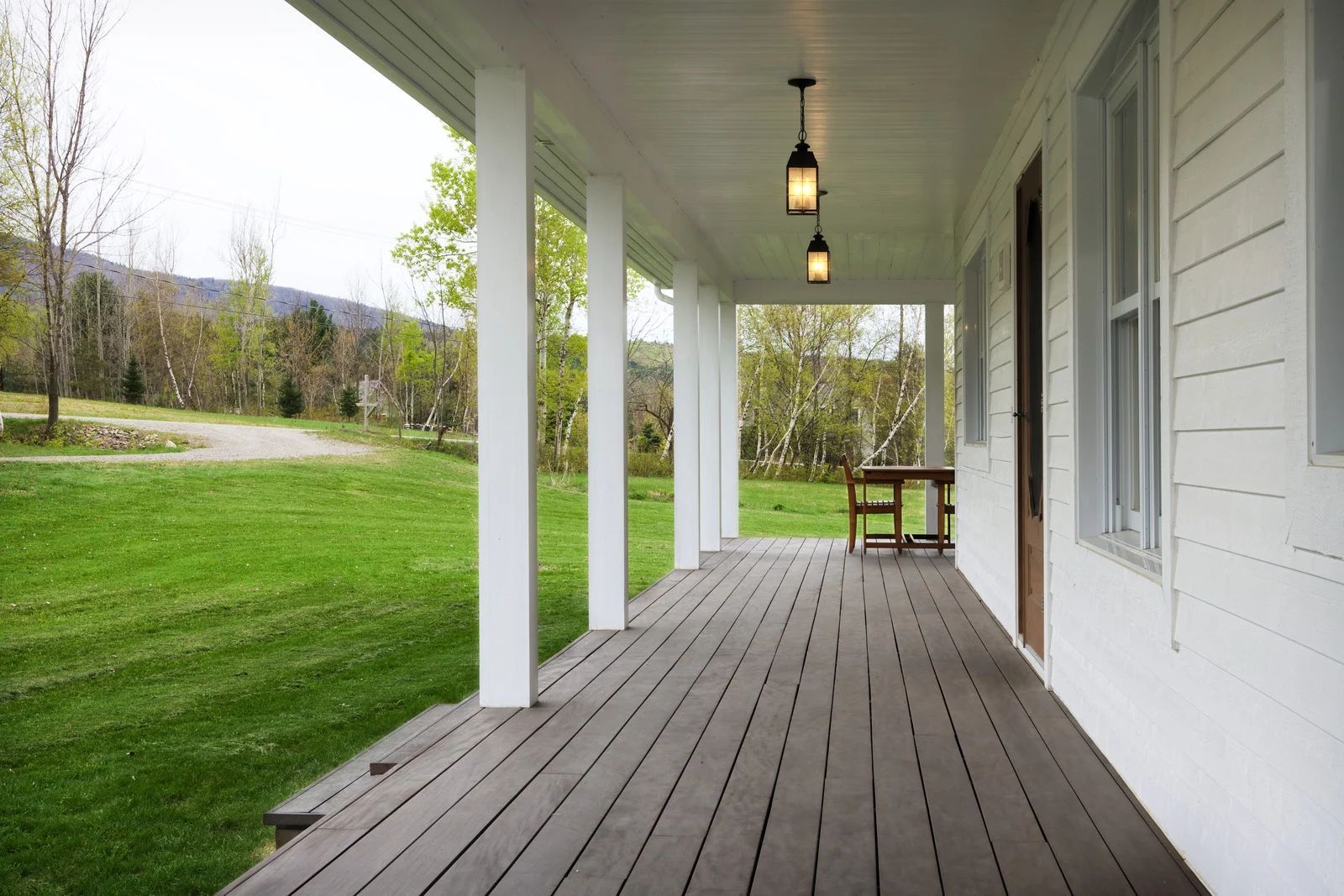
A custom deck improves curb appeal by complementing the architectural design of the home. Matching materials, color schemes, and design lines to the house ensures visual cohesion. For example, a colonial-style home may benefit from traditional wood finishes and railings, whereas modern residences can integrate sleek metal accents and composite materials. Consistency in design signals attention to detail, which creates a positive first impression for visitors or prospective buyers.
2.2 Landscaping Integration
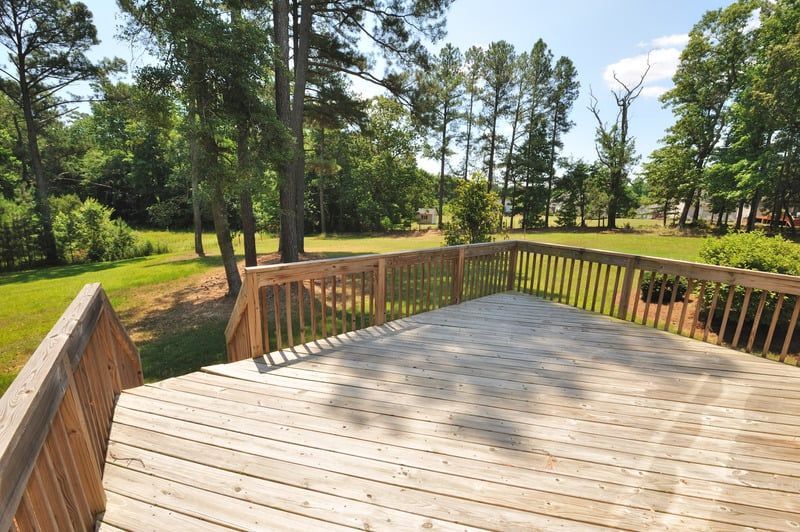
Decks can seamlessly integrate with landscaping to create inviting outdoor spaces. By connecting patios, walkways, or garden areas, a custom deck becomes part of a larger design plan rather than a standalone addition. Incorporating plants, lighting, or water features enhances the sensory experience and encourages longer, more enjoyable outdoor use. Landscaped decks are particularly appealing to buyers who value outdoor aesthetics, providing an immediate visual impact that boosts perceived property value.
3. Material Selection and Longevity
3.1 Choosing the Right Material
Material selection plays a pivotal role in the deck’s performance and overall appeal. Common options include natural wood, composite decking, and PVC alternatives. Natural woods like cedar or redwood offer timeless beauty and a warm feel, but they require ongoing maintenance to prevent weathering or decay. Composite materials, by contrast, provide low maintenance, high durability, and resistance to warping or insect damage. Homeowners must weigh aesthetic preference against long-term upkeep costs to maximize value and satisfaction.
3.2 Durability and Maintenance Considerations
Durability and maintenance influence both long-term investment and buyer perception. A deck showing signs of wear or requiring constant upkeep may deter potential buyers, while a low-maintenance, resilient structure increases desirability. Features like sealed finishes, UV-resistant coatings, or hidden fasteners enhance longevity and reduce maintenance demands. Selecting high-quality materials ensures the deck remains an asset rather than a liability, preserving curb appeal over time and providing peace of mind to homeowners.
4. Design Features That Enhance Value
4.1 Multi-Level and Custom Layouts
Custom deck layouts, including multi-level designs, can significantly elevate property appeal. Different levels create distinct functional zones, such as dining areas, fire pit lounges, or sunbathing spots. Multi-level designs also maximize available space without expanding the deck’s footprint excessively, accommodating both small and large backyards. This versatility demonstrates thoughtful planning and enhances the impression of a well-utilized outdoor area, a key factor in boosting home value.
4.2 Integrated Amenities
Incorporating amenities like built-in seating, planters, or outdoor kitchens transforms decks into high-value, user-friendly environments. Features such as lighting, railing designs, or water-resistant storage options improve both aesthetics and functionality. Homeowners can further enhance appeal by integrating smart outdoor technology, including weather-resistant speakers, LED lighting, or retractable awnings. Thoughtful incorporation of these elements provides an elevated lifestyle experience and differentiates the home in a competitive real estate market.
5. Real-World Scenarios and Examples
5.1 Case Study: Small Yard, Maximum Impact
Consider a home with limited backyard space. Installing a multi-level deck with integrated seating and planters can create distinct functional zones without overcrowding. Using vertical elements like trellises or tiered decking adds depth and dimension, visually expanding the area. Prospective buyers often recognize the ingenuity of space utilization, resulting in a higher perceived value and increased curb appeal.
5.2 Case Study: Large Yard, Entertainment Hub
For homes with expansive outdoor areas, a custom deck can serve as a central entertainment hub. Incorporating an outdoor kitchen, fire pit, or lounging space encourages gatherings and social interaction. These enhancements not only improve lifestyle but also appeal to buyers seeking homes suitable for hosting events. Professional design ensures optimal flow between spaces, integrating the deck naturally into the property’s overall landscape and maximizing both practical use and market value.
6. Best Practices for Maximizing Deck Investment
6.1 Hiring Professional Designers
Engaging a professional deck designer ensures that every aspect, from material selection to spatial planning, aligns with both aesthetic and functional goals. Experienced designers can anticipate challenges, such as drainage, load capacity, or zoning restrictions, which homeowners may overlook. Professional design reduces costly mistakes and ensures that the deck complements the home’s architectural style and landscape, creating a cohesive, high-value feature.
6.2 Prioritizing Maintenance and Longevity
Maintaining the deck is essential for preserving both curb appeal and investment value. Regular cleaning, sealing, and inspections prevent premature deterioration and retain aesthetic quality. Homeowners should also consider seasonal maintenance, such as snow or leaf removal, to avoid damage from environmental exposure. Low-maintenance materials, combined with proactive upkeep, ensure the deck remains a lasting asset that enhances property value over time.
6.3 Aligning Design with Lifestyle Needs
The most effective decks cater to the homeowner’s lifestyle while remaining attractive to buyers. Families may prioritize child-friendly features, such as safety railings and shaded areas, while homeowners who entertain often favor integrated seating, cooking spaces, and ambient lighting. Aligning deck design with practical needs ensures long-term satisfaction and increases marketability, making the property appealing to a broader range of potential buyers.
7. Challenges and Considerations
7.1 Budget Constraints
Budget is a primary consideration in custom deck construction. Costs vary depending on materials, design complexity, and additional amenities. Homeowners should balance desired features with realistic financial planning, focusing on investments that provide the highest return on value and satisfaction. Strategic prioritization ensures that the deck adds maximum appeal without exceeding budgetary limits.
7.2 Zoning and Permit Requirements
Compliance with local zoning regulations and building permits is essential. Homeowners must verify height restrictions, property setbacks, and material codes before construction. Engaging professionals familiar with local requirements ensures that the deck is legally compliant, safe, and structurally sound, avoiding delays or costly modifications during the project.
7.3 Seasonal and Environmental Factors
Environmental conditions, such as humidity, rainfall, and sun exposure, impact material performance and maintenance needs. Selecting materials suited to local conditions improves longevity and reduces long-term costs. Homeowners should also consider seasonal usability, incorporating features like shaded areas or weather-resistant finishes to ensure comfort and functionality year-round.
Experienced Deck Specialists Crafting Lasting Outdoor Spaces
A custom deck offers more than outdoor space—it is a strategic investment in both lifestyle and property value. Through thoughtful design, appropriate material selection, and integration with landscaping, decks can significantly enhance curb appeal, attract potential buyers, and provide functional living areas for homeowners. Multi-level layouts, integrated amenities, and professional craftsmanship ensure that a deck remains an asset rather than a maintenance burden, making it a compelling addition for any property. By understanding the practical, aesthetic, and financial benefits of a custom deck, homeowners can make informed decisions that maximize both enjoyment and long-term value.
For homeowners in Apex, NC, Creative Design of NC
brings 28
years of expertise in
custom deck design
and construction. Our team specializes in creating decks that balance beauty, durability, and functionality, tailored to each homeowner’s lifestyle. From initial concept to final installation, we prioritize precision, quality materials, and design excellence. Over nearly three decades, we have transformed countless properties, enhancing outdoor living while increasing property value and curb appeal. Trust Creative Design of NC
to deliver a deck that not only complements your home but also provides lasting enjoyment, exceptional craftsmanship, and measurable investment returns, making your outdoor space a standout feature in your neighborhood.